
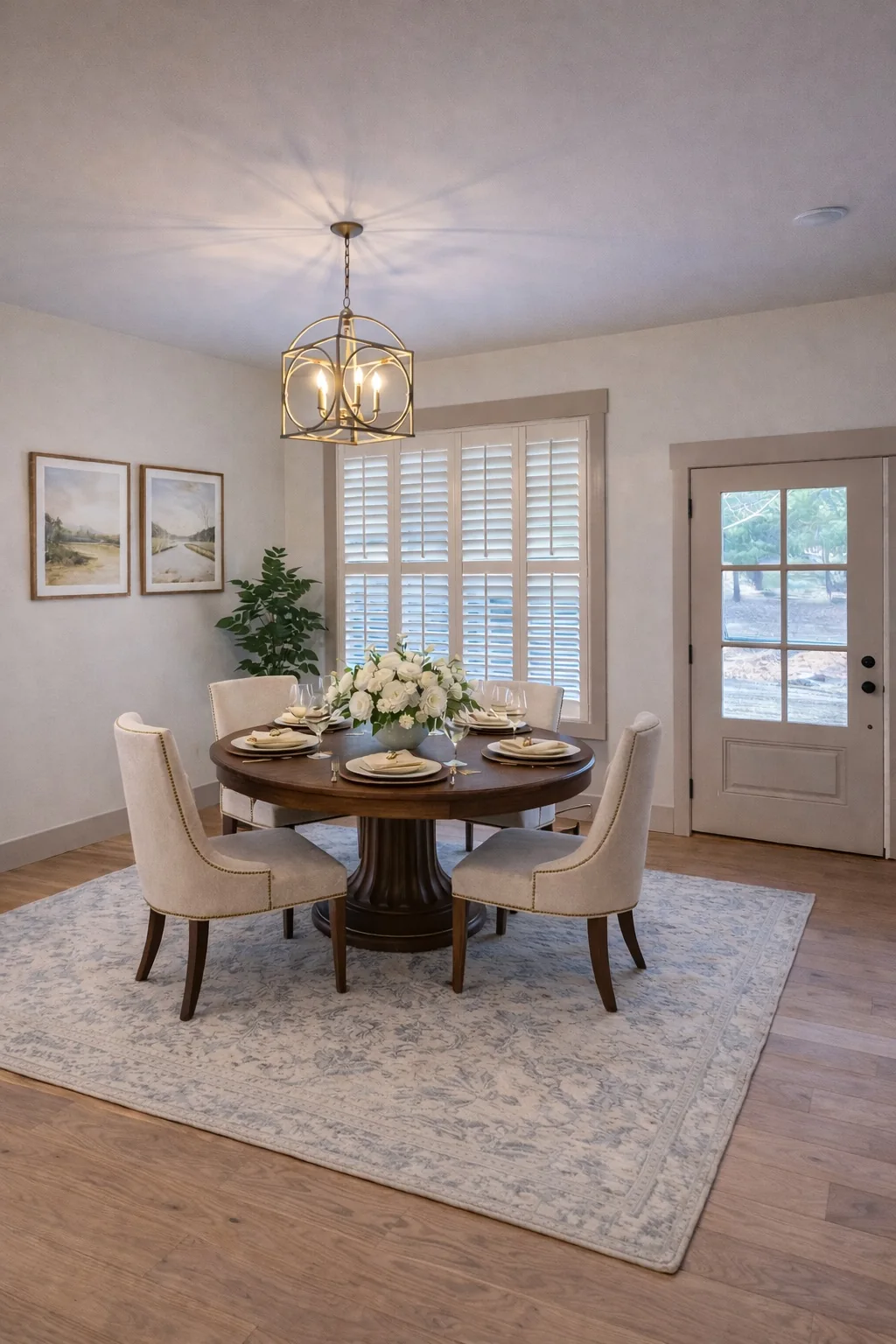
TLDR; Yes - plantation shutters are energy efficient. Closed, they add an insulating barrier that blocks summer solar heat gain and slows winter heat loss, easing your HVAC load. For maximum insulation on the hottest windows, cellular shades edge them out, but shutters add light control, privacy, and resale value that shades cannot.
In a climate like North Georgia's - long hot summers, real winter cold snaps - window treatments do more than decorate. So do plantation shutters actually help your energy bill? Here is how they work.
How Shutters Save Energy
A window is the weakest thermal point in most walls. Solid plantation shutters add a rigid, insulating layer right at that weak point. In summer, closing the louvers on sun-facing windows blocks direct solar gain before it heats the room - the afternoon difference is noticeable. In winter, the closed panels slow heat escaping through the glass and cut drafts.
Shutters vs. Cellular Shades for Insulation
If pure insulation is the only goal, cellular (honeycomb) shades typically win - their air-pocket cells trap a buffer of air directly against the glass. But shutters bring things shades cannot: permanent light control, privacy, a premium look, and resale value. That is why many North Georgia homeowners mix the two - energy-efficient shades on the hottest west-facing glass, shutters where appearance and value matter most.
Getting the Most Efficiency
- Prioritize shutters (or cellular shades) on your sun-facing windows first - that is where the heat comes in.
- Close the louvers during peak afternoon sun in summer, and at night in winter.
- Choose a quality custom fit - gaps around a poorly-fitted shutter leak the efficiency you paid for, which is one more reason custom-measured beats stock.
Weighing shutters against other options for a specific room? Our plantation shutters vs blinds comparison and the cost guide will help you decide.