
TL;DR: Roller blinds are usually cheaper than vertical blinds thanks to their simple design and fewer moving parts. Vertical blinds may offer better value for large or wide windows where coverage and control are key.
Roller blinds are generally more affordable upfront - minimal parts and a straightforward design reduce production and installation costs. But the real decision depends on your space, usage, and long-term expectations.
Understanding the Types
What are roller blinds?
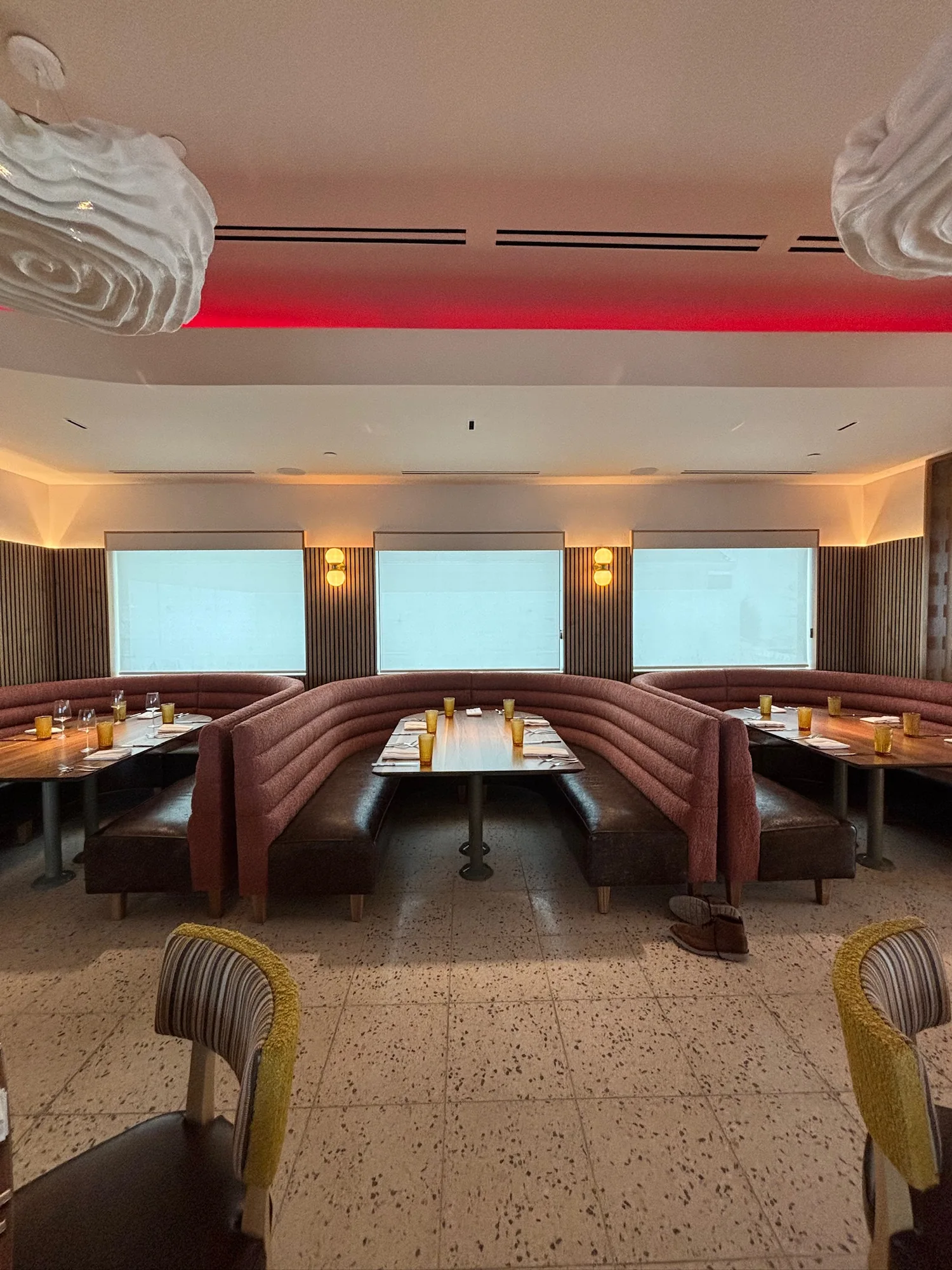
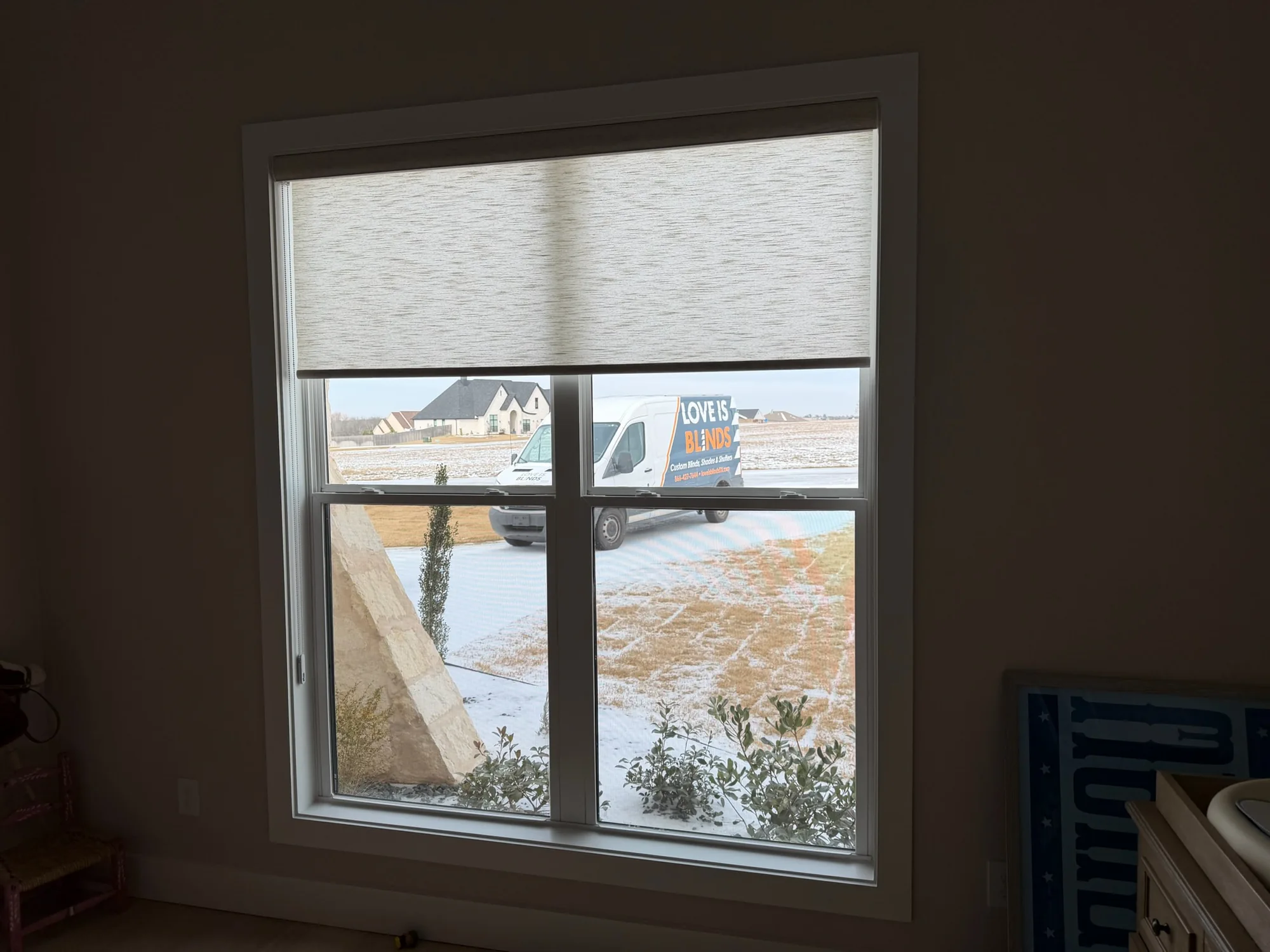
A single piece of fabric wrapped around a casing, operated by chain, spring, or motor. Ideal for small to medium windows and modern, minimalist decor, in blackout, sunscreen, and light-filtering materials. Best for bedrooms, offices, and small to medium living spaces.
What are vertical blinds?
Vertical slats hanging from a top track that rotate for light control or draw fully to the side. Available in PVC, fabric, aluminum, and faux wood. Best for sliding glass doors, large bay windows, and open-plan spaces.
Cost Breakdown
Upfront cost (standard 36×60 window)
- Roller blinds: $25 - $100
- Vertical blinds: $35 - $150
Polyester and vinyl rollers are cheapest; blackout and custom fabrics cost more. PVC verticals are most affordable; fabric slats and designer finishes raise the price. Rollers win on upfront cost.
Installation
- Roller blinds: easier to hang, fewer moving parts - professional install typically $50-$75 per window.
- Vertical blinds: more complex track and slat alignment - typically $75-$125 per window.
Maintenance and lifespan
- Cleaning: rollers wipe down as one sheet; verticals need slat-by-slat attention.
- Repairs: roller fabric or chain replacement is simple; verticals commonly need slat replacement and track alignment.
- Lifespan: rollers 5-7 years (more with premium fabric); verticals 8-10 years (PVC lasts longest).
Best Blinds by Room
- Living rooms: verticals for large window walls and sliders; rollers for everything else.
- Bedrooms: rollers, hands down - the blackout options are far better for sleep and privacy.
- Kitchens & baths: both tolerate moisture in the right material, but rollers are simpler to clean.
- Sliding doors & bay windows: go vertical - it's what they're built for. Also consider these vertical blind alternatives like panel track shades.
Energy Efficiency
Roller blinds take the lead: thick and cellular-style fabrics trap air, and reflective backings deflect summer heat, while the gaps between vertical slats leak insulation. See our insulated roller shades for thermal options.
Pros and Cons
Roller blinds - Pros: lower cost, modern look, easy maintenance. Cons: not great for very wide windows, limited light-direction control.
Vertical blinds - Pros: ideal for wide openings, precise light control, durable with care. Cons: pricier to install, can read dated in modern decor.
Which Should You Choose?
- Budget-conscious: roller blinds, especially across multiple standard windows.
- Large windows or sliders: vertical blinds (or panel tracks).
- Modern aesthetics: rollers.
- Long-term durability / rentals: verticals in PVC.
- Low-fuss maintenance: rollers.
FAQs
Are roller blinds cheaper than vertical blinds? Yes - simpler design and installation generally make them cost less.
Which blinds last longer? Vertical blinds, especially PVC or aluminum.
Which are easiest to clean? Roller blinds - one sheet beats many slats.
Best budget blinds for apartments? Roller blinds: affordable, sleek, easy to install and remove.
Want real numbers for your actual windows? Book a free in-home consultation and we'll measure and quote both options on the spot.