Why North Georgia Homes Feel Like Ovens (The Window Problem No One Talks About)
Why North Georgia Homes Feel Like Ovens (The Window Problem No One Talks About)
Walk into your living room at 3 PM on a July afternoon in Dalton or Chattanooga. Despite your AC running constantly, the room feels stifling. Touch the wall next to your west-facing window, then touch the window frame. Notice the temperature difference?
That's radiant heat, and it's costing you hundreds of dollars every summer while making your home uncomfortable. Yet most homeowners (and even many contractors) completely misunderstand what's happening.
The problem isn't your HVAC system. It's not your insulation. It's a fundamental flaw in how windows interact with North Georgia's specific climate conditions.
The Geographic Reality: Why North Georgia Is Different
North Georgia occupies Climate Zone 3A/4A, what building scientists call a "mixed-humid" zone. This creates a perfect storm of thermal challenges:
Summer conditions:
- Intense solar radiation at 34°N latitude
- High humidity amplifying apparent temperature
- 90+ degree days from June through September
- Afternoon sun angles that penetrate deep into homes
Winter conditions:
- Cold snaps requiring genuine heating
- Temperature swings of 30-40 degrees between day and night
- Mountain influences in areas like Ellijay creating microclimates
Most homes in Dalton, Ringgold, Roswell, and surrounding Georgia areas have windows installed before 2010 with minimal low-E coatings and poor thermal performance by modern standards.
What's Actually Happening: The Physics Your HVAC Can't Overcome
When afternoon sun hits your windows, three things happen simultaneously:
- Direct Solar Radiation Sunlight carries approximately 250-300 BTUs per square foot per hour on a clear summer day. A typical 36" x 60" window admits 3,750-4,500 BTUs per hour, equivalent to running a space heater pointed into your room while paying to cool it.
- Conductive Heat Transfer Glass is a poor insulator. Window glass can reach 110-120°F on the interior surface during peak sun. That hot glass radiates heat into your room for hours, even after the sun moves.
- Infrared Radiation The sun emits infrared radiation that heats objects directly. This radiant heat makes rooms "feel" hot even when your thermostat reads a comfortable temperature.
The Insulation Value That's Missing: Understanding R-Value
Your insulated walls have R-values of R-13 to R-19. Your windows? Standard double-pane windows rate R-2 to R-3. Windows are thermal weak points, often representing 15-25% of your exterior wall area.
Adding High-Performance Window Treatments:
- Cellular shades (double-cell): Adds R-3.5 to R-5.0
- Plantation shutters: Adds R-2.0 to R-3.0
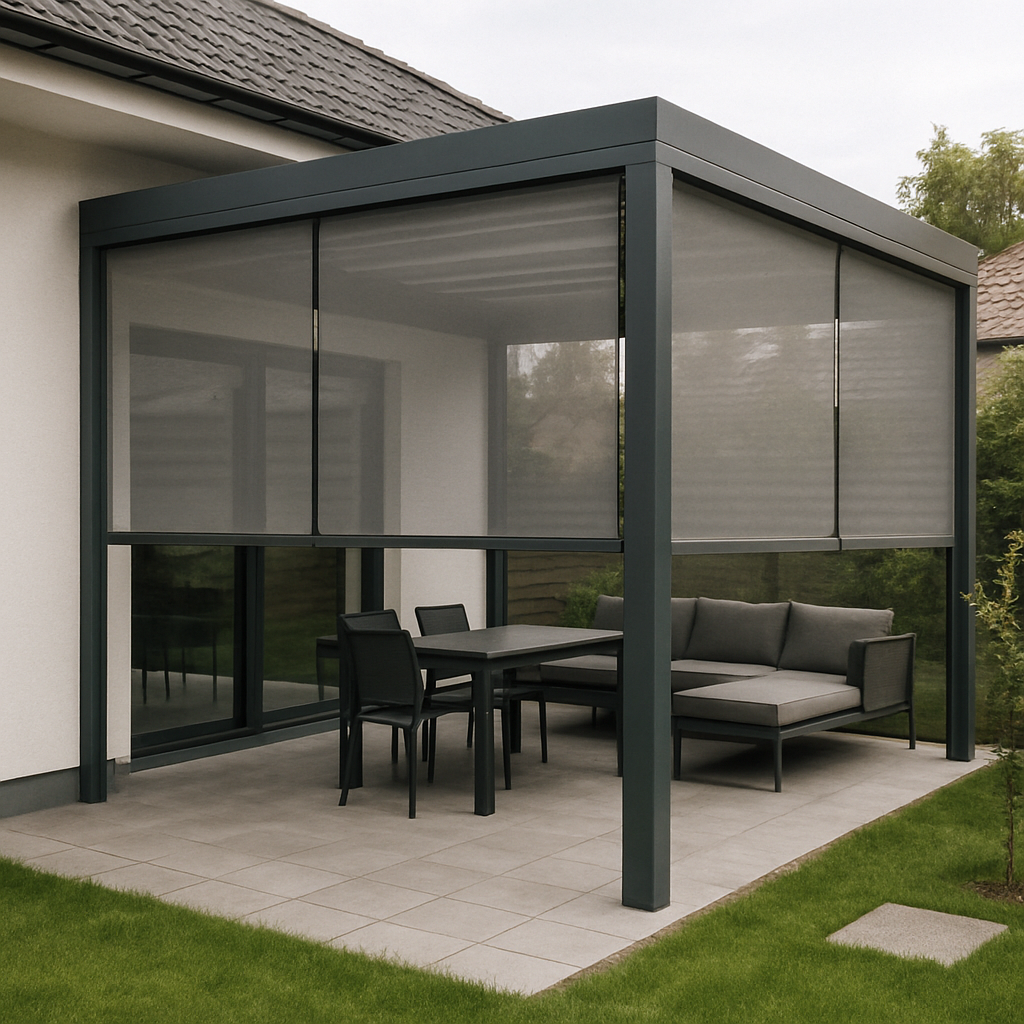
- Solar shades: Minimal insulation but blocks 60-95% of solar heat gain
Properly installed window treatments can triple your window's effective R-value.
Solar Angles: Why West and South Windows Are Worse for your Energy Bills
The sun's path creates predictable hot spots:
West-Facing Windows: Receive brutal afternoon sun from 2-7 PM. Most problematic in summer when sun sets later. This is why your family room feels like an oven after 3 PM.
South-Facing Windows: Intense winter sun (when angle is lower), moderate summer exposure. Require year-round solutions.
East-Facing Windows: Morning sun is less intense and generally less problematic.
North-Facing Windows: Minimal direct sun, fewer heat gain issues.
Understanding your window orientation is critical for selecting appropriate treatments.
The Three-Layer Approach: How Professional Solutions Work
Effective window heat management uses a three-barrier approach:
Layer 1: Reflection Intercept solar energy before it converts to heat. Solar shades reflect radiation back out through the glass.
Layer 2: Insulation Create dead air spaces that prevent heat transfer. Cellular shades excel with their honeycomb structure that traps air in pockets. Works both directions, keeping heat out in summer, heat in during winter.
Layer 3: Thermal Mass Management Control how heat stored in glass radiates into your room. Plantation shutters create a buffer zone between hot glass and room air.
Material Science: Why Not All Window Treatments Perform Equally
Cellular Shade Technology: Honeycomb structure creates sealed air chambers. Air is an excellent insulator, but only when trapped in small pockets that prevent convection. Double-cell shades create two layers of trapped air, each layer adds insulating value.
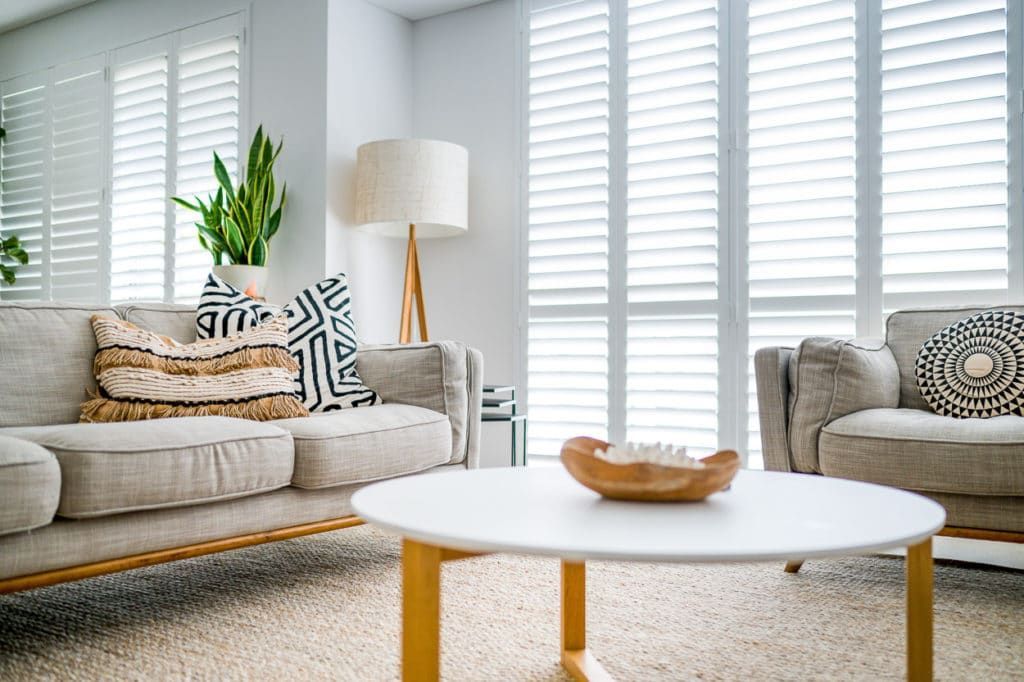
Plantation Shutter Construction: Solid plantation shutter panels create physical barriers. Composite materials offer better insulation than vinyl or wood because they're engineered with specific thermal properties and resist warping.
Solar Shade Weaving: Tightly woven fabrics block solar radiation while allowing visibility:
- 1% openness: Blocks 99% of UV, limited view
- 5% openness: Blocks 95% of UV, clear view
- 10% openness: Blocks 90% of UV, excellent view
The trade-off is always between protection and visibility.
Climate-Specific Recommendations for North Georgia
For Maximum Year-Round Performance: Double-cell cellular shades with blackout or room-darkening fabrics provide the best insulation value. Ideal for bedrooms, living areas, and rooms where temperature control is priority.
For View Preservation: Solar shades (5-7% openness) on south and west windows block heat while maintaining visibility. Valuable in Ellijay and Ringgold where mountain and valley views are assets.
For Long-Term Investment: Composite plantation shutters offer 20-30 year lifespan with minimal maintenance. Best for traditional homes, historic properties, or situations where durability outweighs upfront cost.
For High-Humidity Areas: Bathrooms, kitchens, sunrooms: Use moisture-resistant materials like composite shutters or vinyl cellular shades. Fabric treatments can develop mildew in poorly ventilated humid spaces.
Beyond Temperature: The Complete Performance Picture
Glare Control: Solar shades and cellular shades eliminate screen glare without darkening rooms—critical for home offices.
Acoustics: Cellular shades dampen exterior noise by 3-5 dB—enough to notice on busy streets.
UV Protection: Most quality treatments block 95-99% of UV radiation, protecting furnishings from fading damage.
Privacy: Growing suburban density means homes are closer together. Proper treatments provide privacy without sacrificing natural light.
Installation Quality: Why It Matters
Even premium treatments underperform with poor installation. Common errors include gaps around brackets, improper mounting causing sagging, incorrect measurements leaving gaps, and missing side channels. Professional installation ensures treatments mount flush, operate smoothly, and seal properly. The difference between rated R-value and actual R-value often comes down to installation quality.
The Replacement Window Alternative
New energy-efficient windows cost $500-1,000+ per window installed. For a 15-window home, that's around $7,500-15,000.
Quality window treatments for the same home: $3,000-8,000 depending on which window treatments you order, with comparable or better energy performance and immediate results.
Making the Decision: A Framework
Consider these priorities:
Problem Severity: Are specific rooms unusable due to heat? Start there with high-performance solutions.
Home Timeline: Selling within 5 years? Shutters add perceived value. Staying 10+ years? Focus on energy savings and comfort.
Lifestyle Factors: Work from home? Glare control matters. Young children? Cordless safety is critical. Value views? Solar shades preserve them.
Architectural Compatibility: Historic home in Dalton? Shutters maintain character. Modern home? Sleek cellular shades complement aesthetics.
Next Steps: Comparing Your Options
Understanding why windows cause problems is step one. Step two is knowing which solution fits your specific needs and budget.
For an in-depth comparison of cellular shades, plantation shutters, and solar shades—including performance data, cost analysis, and ideal applications, read our design checklist or view our products.